Crude oil tank cleaning
and sludge recovery
The ATEX robot enters through the manhole and removes tank bottoms and sludge by suction, with no operators inside the tank; the REC-OIL plant separates on site and recovers the oil
What is crude oil tank bottom sludge
Tank bottoms are the sludge that settles on the bottom of crude oil and fuel oil tanks: heavy hydrocarbons, waxes and asphaltenes mixed with water, sand and rust
They take up tank capacity and have to be removed before inspections and maintenance. There is still oil inside: they are slop oil in every respect, and it pays to recover them rather than dispose of them as they are
- Also called
- Tank bottoms, tank sludge, crude oil sludge, bottom sludge; removing it is tank cleaning, or desludging
- Found in
- Crude oil, fuel oil and slop tanks, in refineries and depots
Where it comes from
From the product itself: during storage the heaviest fractions, water and solids separate and sink to the bottom, where they form a dense layer of oily sludge
The tank is a confined space in an ATEX Zone 0 hazardous area. Sending operators in to remove the sludge by hand is the slowest and riskiest way to clean it: this is why crude oil tank cleaning is done by robot
- Waste
- Tank bottom sludges, code 05 01 03* in the European List of Waste: hazardous
How we clean
crude oil tanks
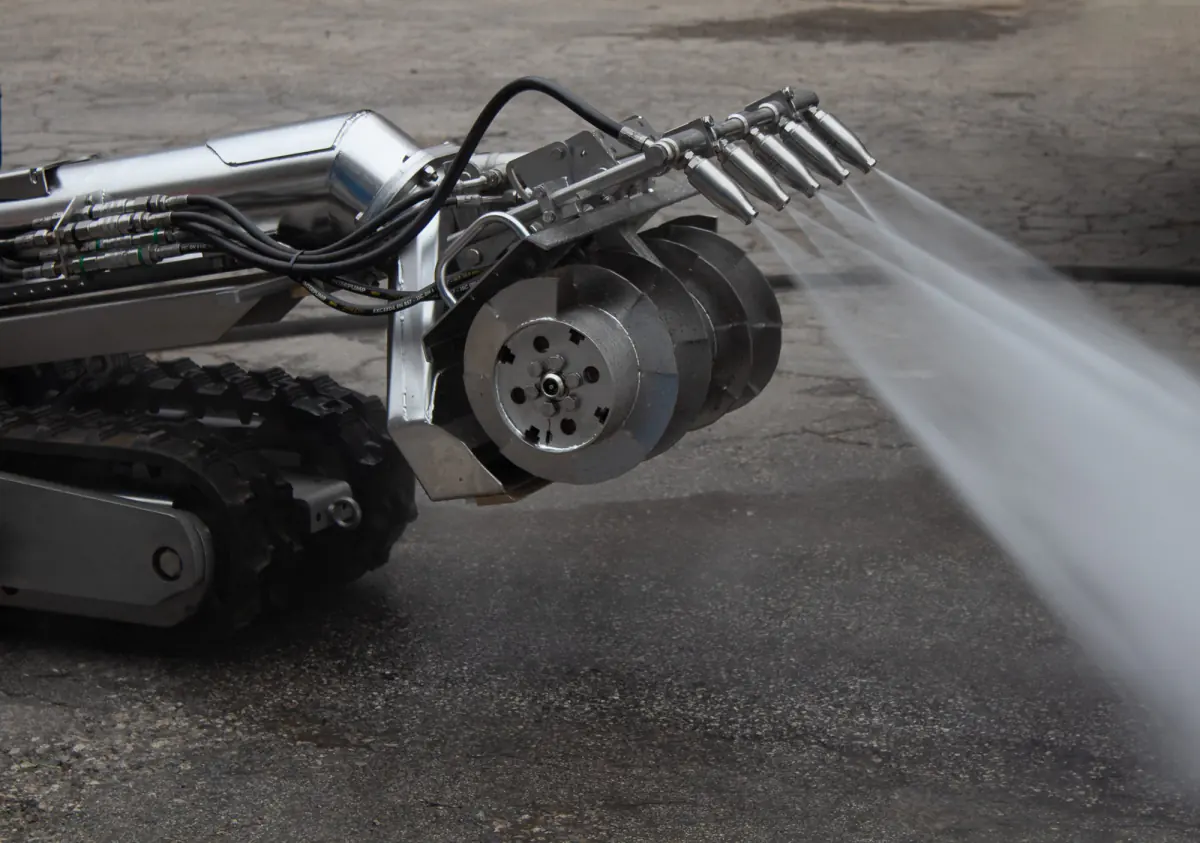
No man entry tank cleaning: the Gerotto Lombrico robot enters through the manhole and removes the sludge by suction, while operators control it remotely. REC-OIL treats what comes out straight away
- Suction
- Gerotto Lombrico robot for ATEX Zone 0, entering through 17" to 24" manholes
- Mechanical protection
- The vibrating screen removes stones and coarse solids before pumps and centrifuges
- Reactive tank
- Heating, mixing and reagents neutralise H2S and mineralise heavy metals such as mercury
- Separation
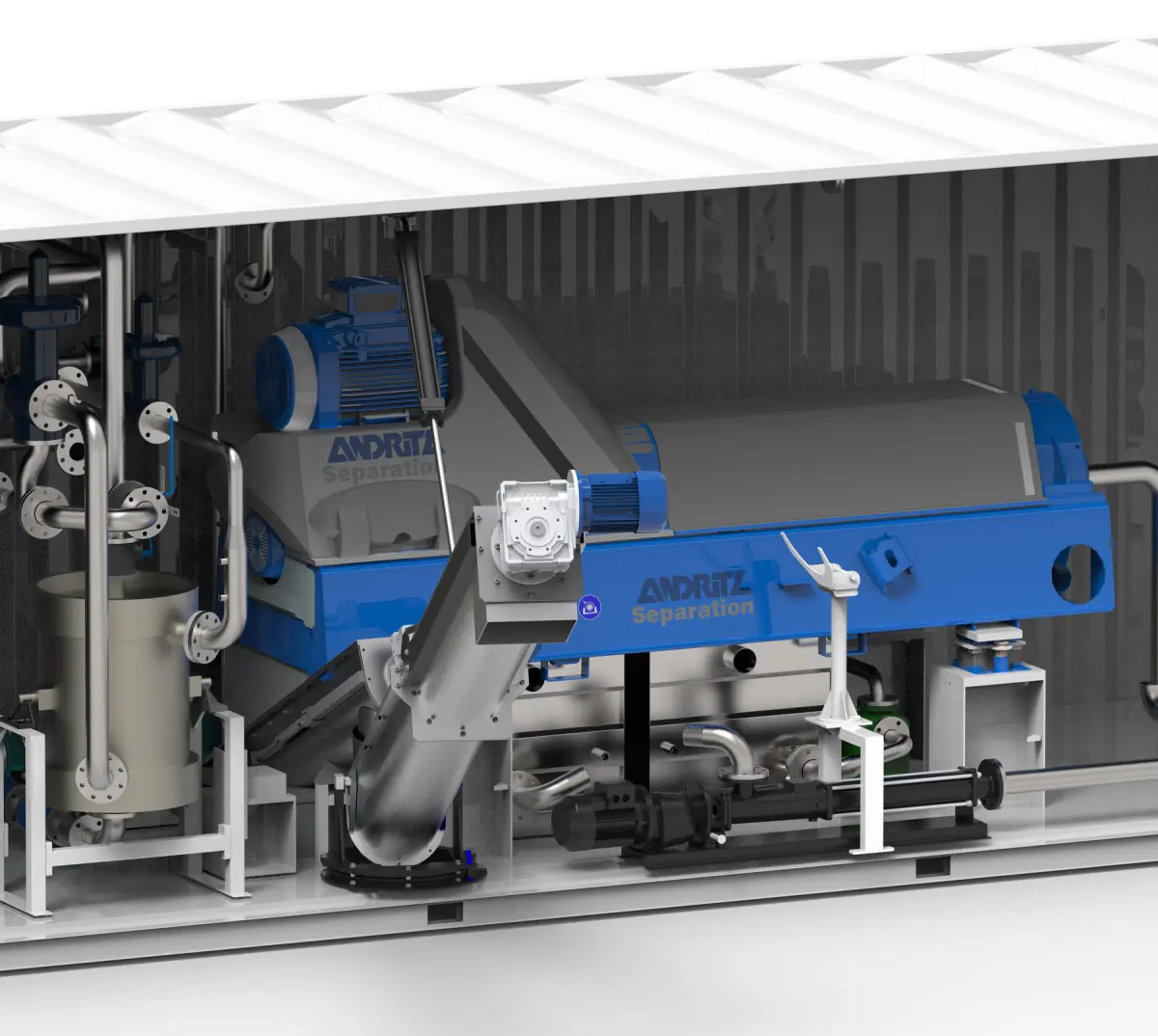
- The Andritz three-phase ATEX decanter separates oil, water and solids continuously
- Indicative flow rate
- 5-15 m3/h for tank cleaning, about 7-21 m3/h on crude oil
- System
- REC-OIL with Gerotto Lombrico robot
What is recovered from tank bottoms
The recovered oil goes back into the process, the water comes out separately and the solids are spadeable: only part of the initial volume is left to dispose of
Indicative flow rates and yields: actual results depend on the product and the plant
Common questions
about tank cleaning
What does no man entry (non man entry) tank cleaning mean?
It means nobody enters the tank. The robot goes in through the manhole, works in ATEX Zone 0 and is controlled remotely: operators stay outside the danger zone
What size manhole does the tank cleaning robot need?
Manholes from 17 to 24 inches, depending on the model: Lombrico S, XXS, XT and FTC
Are tank bottoms and tank bottom sludge the same thing?
Yes, they are two names for the same thing: the dense deposit of heavy hydrocarbons, water and solids on the bottom of the tank
What is the EWC code for tank bottom sludge?
In the European List of Waste (EWC or LoW codes) tank bottom sludges have code 05 01 03*, and wastes containing oil from tank cleaning have code 16 07 08*: both hazardous. Classifying each individual waste is the responsibility of whoever produces it
How much oil is recovered from tank bottom sludge?
It depends on the product. With the pipette decanter, REC-OIL recovers over 98% of the oil present, with less than 2% water. These are indicative yields
What is the plant’s flow rate in oil storage tank cleaning?
As a guide, from 5 to 15 m3/h on tank bottoms and from 7 to 21 m3/h on crude oil
Which refinery storage tanks can be cleaned?
Crude oil, fuel oil and slop tanks, in refineries and oil depots
Disposal or treatment: what happens to tank bottom sludge after removal?
It is treated on site: the oil is recovered, the water comes out separately and only the solids go to disposal, spadeable and with over 70% dry solids
Do you have a tank to clean?
Let’s talk
We start from your waste: composition, volumes and site
Contact us