Slop oil treatment,
from tank to bilge
Mobile and fixed containerised REC plants: they treat slop oil and oily sludge where the waste is produced and recover the oil
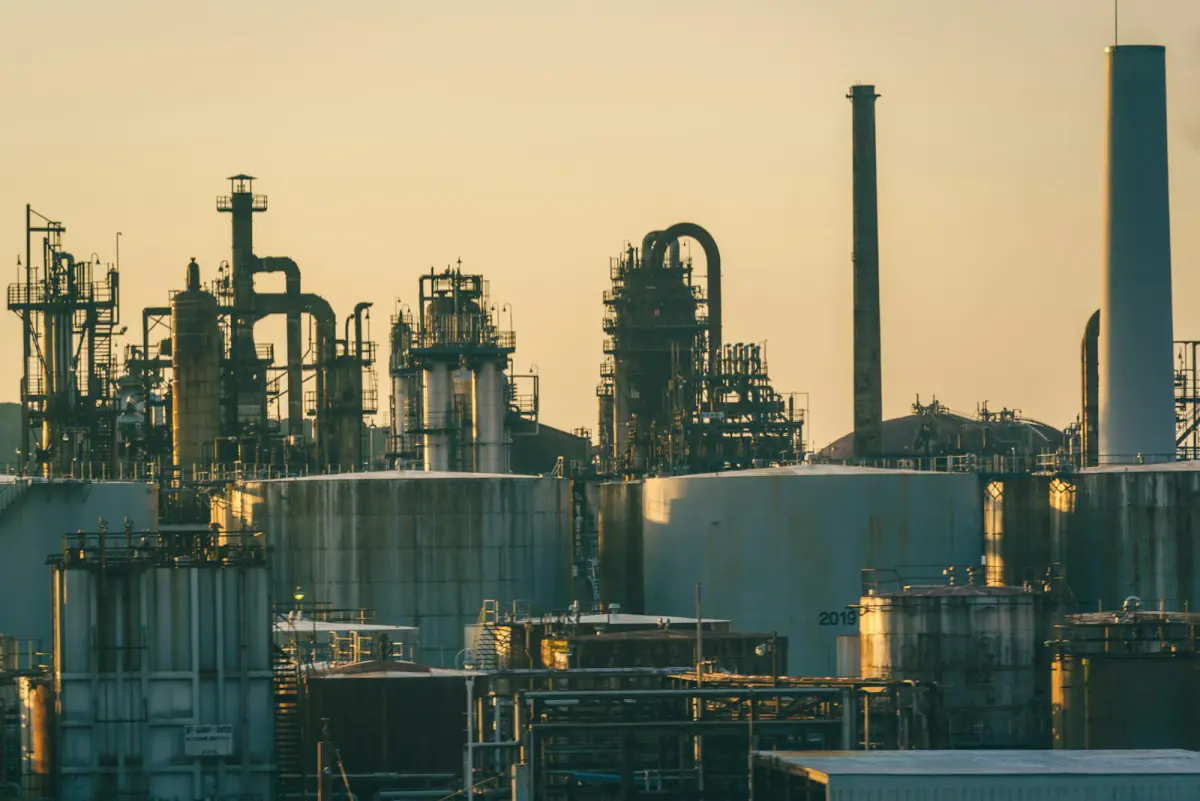
Refineries and depots
The Gerotto robot enters via the manhole and extracts the sludge with no one inside, in ATEX Zone 0. A shaker, the RBT reactive tank and a three-phase Andritz decanter separate oil, water and solids
- We treat
- Slop oil, tank bottoms, crude oil, settling residues, API separator sediments, DAF sludge, desalter residues
- Indicative flow rate
- 5-15 m3/h for tank cleaning, about 7-21 m3/h on crude oil
- System
- REC-OIL with Gerotto Lombrico robot
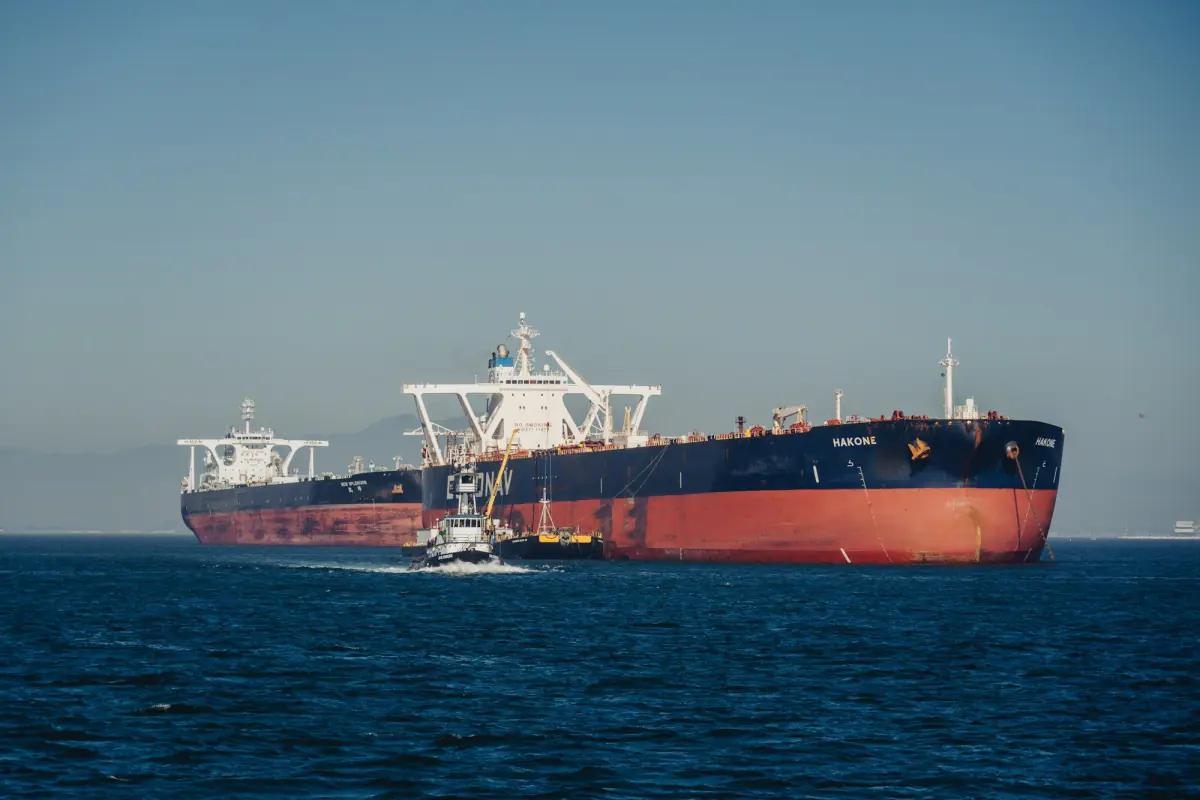
Marine and ports
From the ship, via barge or storage terminal, bilge water flows from the reactive tank to the separation container. A high-speed separator polishes the outgoing oil
- We treat
- Bilge water and oily residues from ships under MARPOL Annex I, including at port reception facilities
- Indicative flow rate
- about 14-40 m3/h
- Output
- Fuel oil with 0.1-1% water and 0.1-0.5% solids
- System
- REC-OIL with high-speed separator
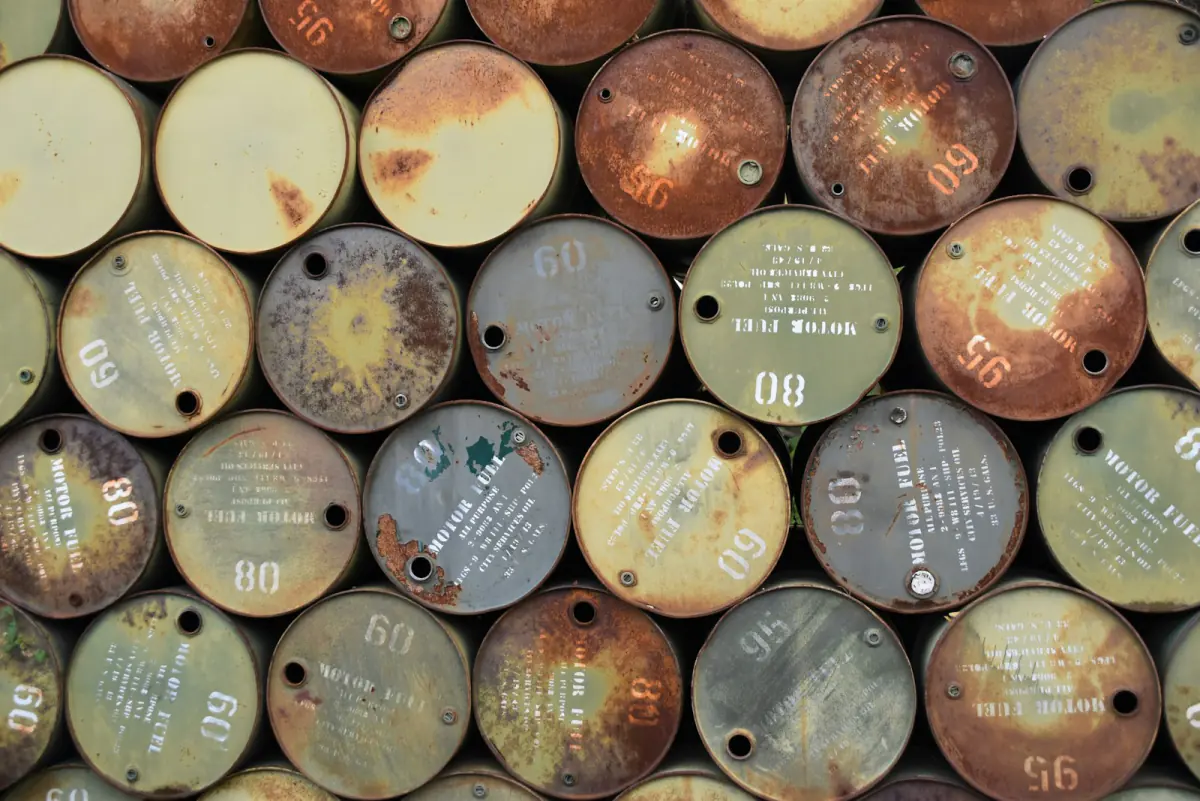
Used oils
A three-phase Andritz decanter strips water and solids from used oils and returns the oil
- We treat
- Used oils with water and suspended solids
- Indicative flow rate
- about 12-30 m3/h
- Output
- Oil with less than 2% water and less than 1% solids
- System
- REC-OIL
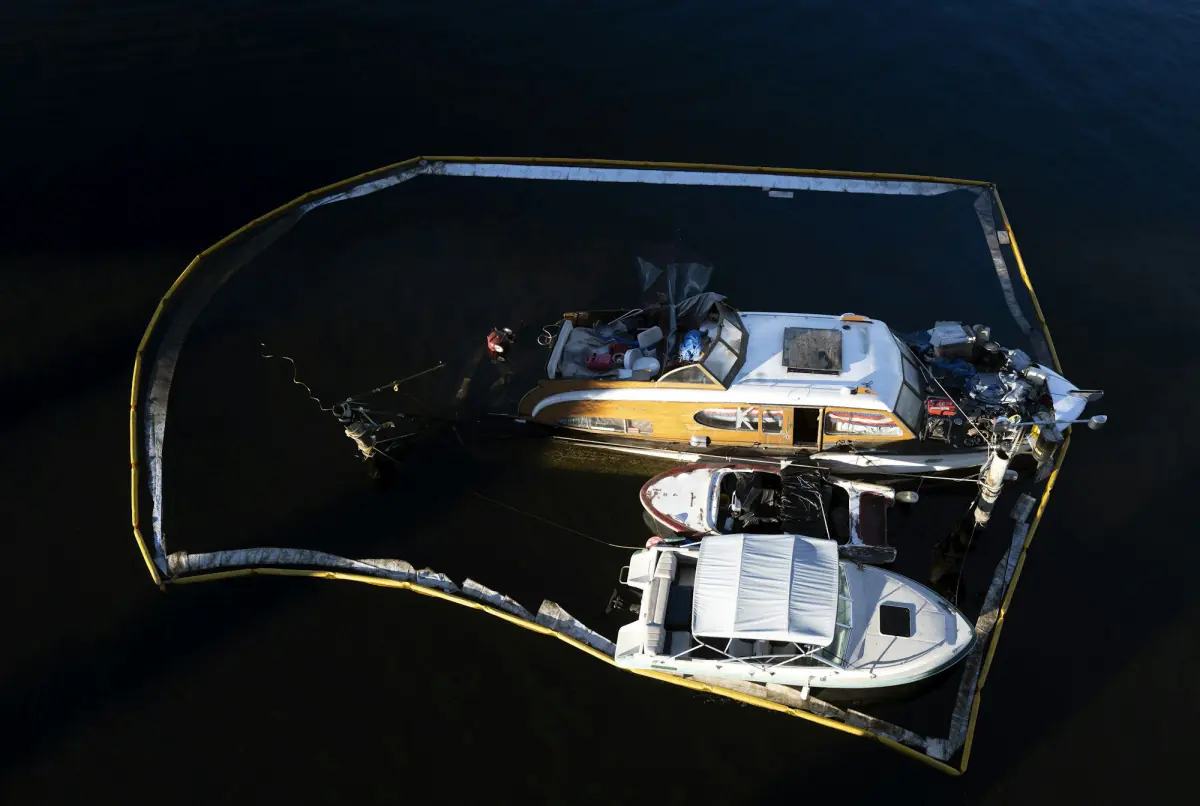
Remediation
Robots and suction units recover material from oil lagoons, basins and pits, while the floating skimmer collects the oil on the surface. Separation takes place on site, leaving less material to haul away
- We treat
- Lagoons and settling basins, pits, lakes contaminated by hydrocarbons
- Indicative flow rate
- 1-10 m3/h
- System
- REC-OIL with Gerotto robot and floating skimmer
Oil, water and solids,
each going its own way
Indicative flow rates and yields: actual results depend on the product and the plant
How the system worksDo you have one of these waste streams?
Let’s talk
We start from your waste: composition, volumes and site
Contact us