Wastewater treatment,
from sewage to biogas
Wastewater, drinking water, biomass and organic waste: less sludge to dispose of, more water and energy recovered, with Andritz Separation technologies
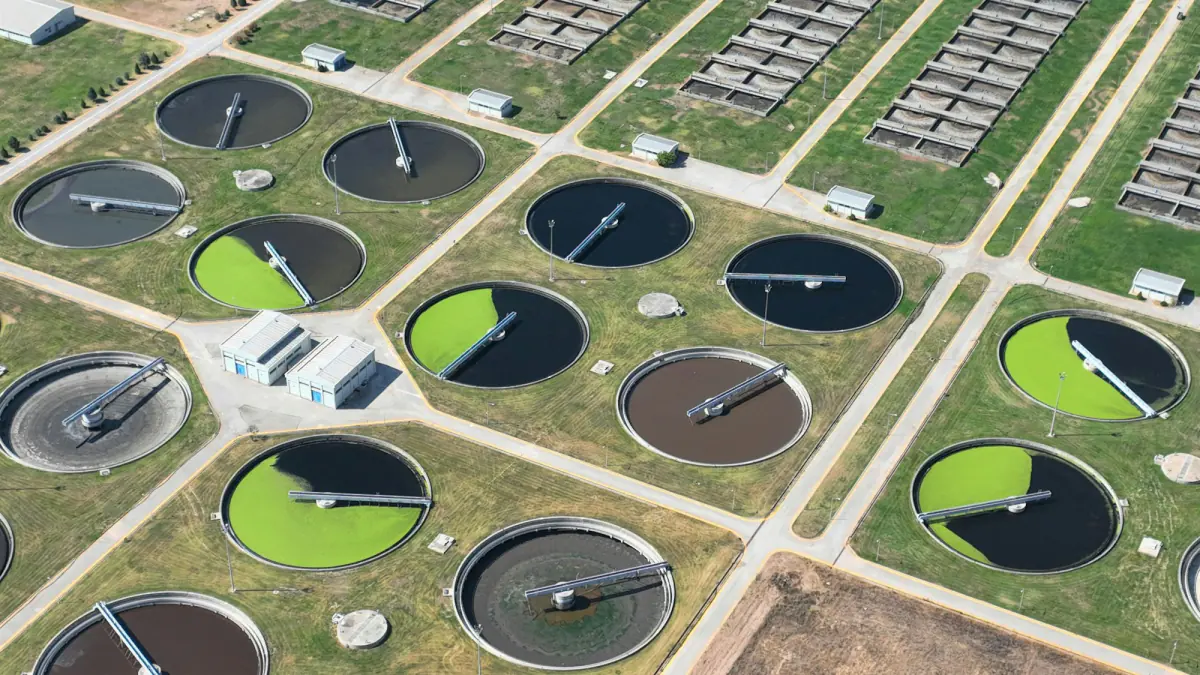
Municipal wastewater
Sewage sludge treated along the entire line of the treatment plant, from screening to drying. Smaller volumes to dispose of, and the dried sludge becomes fertiliser or fuel
- We treat
- Primary sludge, waste activated sludge and digested sludge
- Process
- Screening, thickening, dewatering and drying
- Technologies
- Fine screens, thickeners, Andritz D series decanters, C‑Press screw press, belt presses and filter presses, dryers
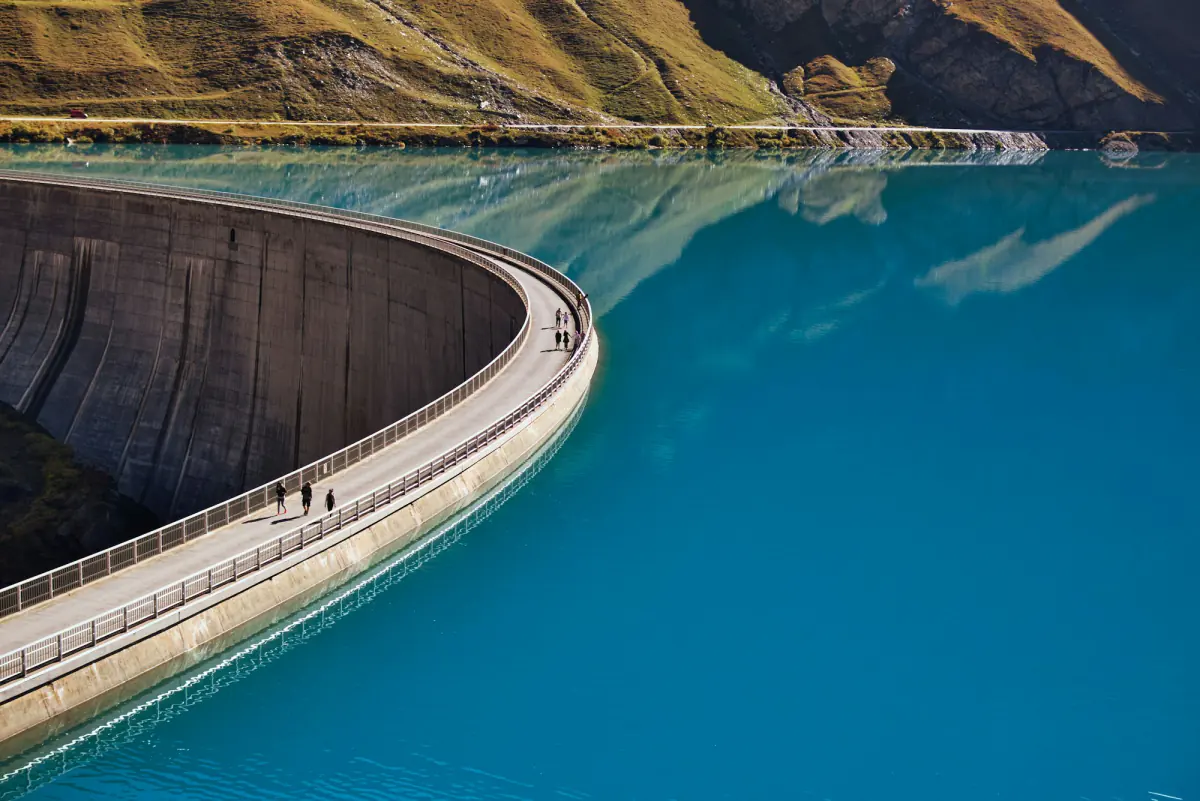
Drinking water
Drinking water treatment and desalination: screens at the water intake and sludge dewatering. Plants that run continuously and unattended, with lower energy consumption and less sludge to dispose of
- We treat
- Incoming raw water and seawater, sludge from drinking water treatment and desalination
- Process
- Water intake, screening and sludge dewatering
- Technologies
- Fine screens, decanters, C‑Press screw press and filter presses
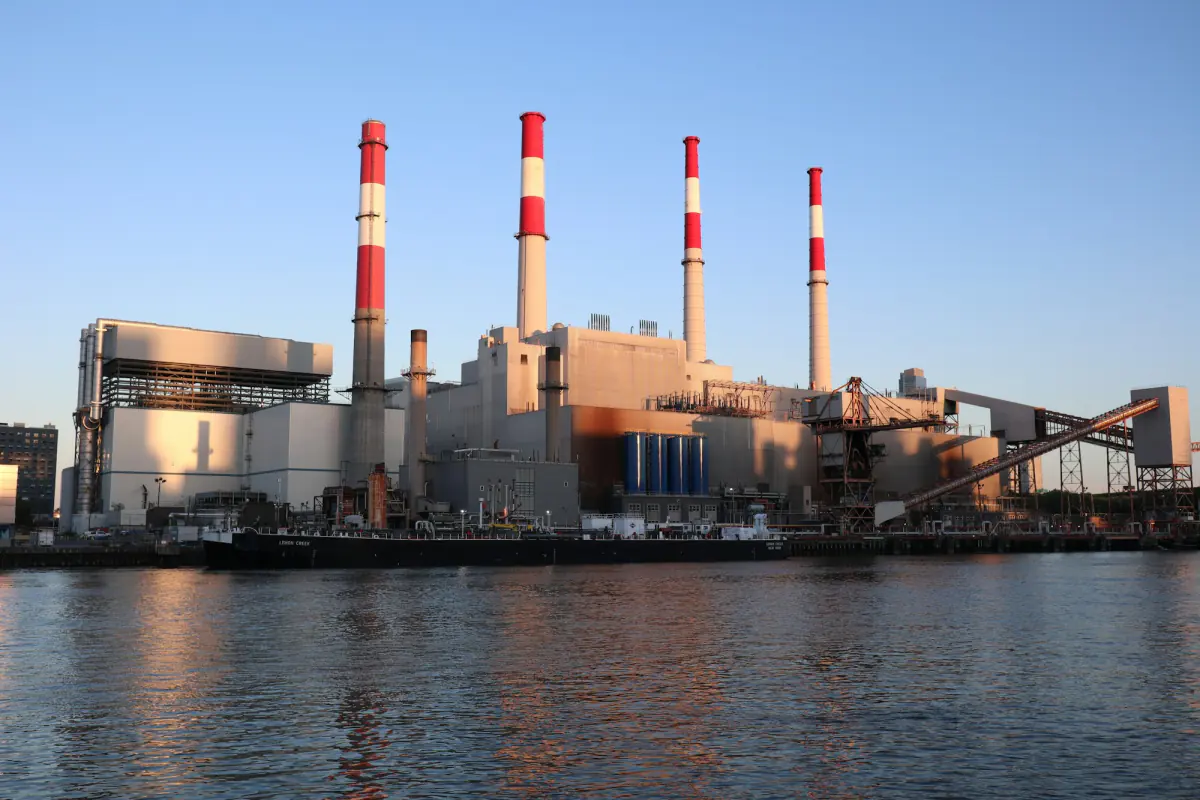
Industrial wastewater
Tailored solutions for process effluents and sludge: they run unattended, return water to the process and turn waste into fuel, with lower disposal costs
- We treat
- Wastewater and sludge from the food, chemical, pulp and paper and power industries
- Process
- Screening, thickening, dewatering and drying
- Technologies
- Filter presses, screw presses and belt presses, decanters and disc stack separators
- System
- REC-WATER for oily water and industrial wastewater, right on site
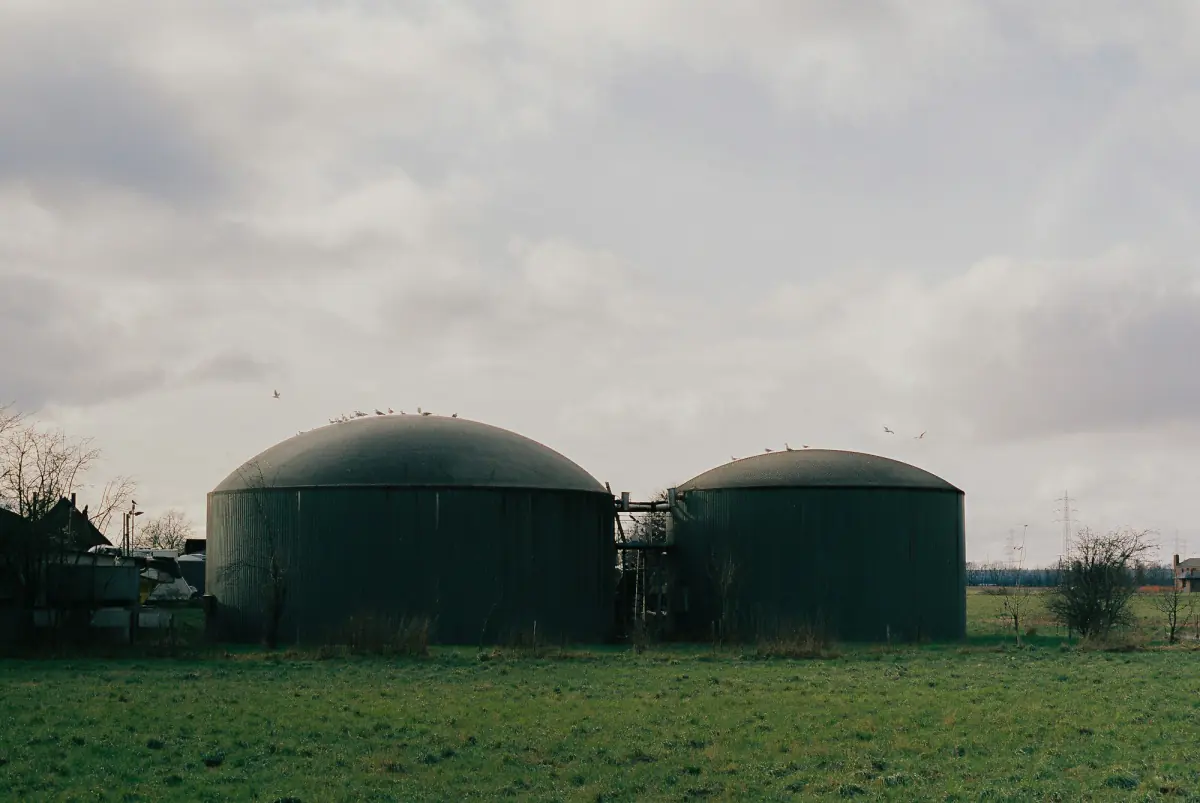
Biomass and biogas
Low-temperature biomass drying: low, uniform moisture, higher calorific value, lower transport and storage costs. At biogas plants, digestate dewatering and drying
- We treat
- Wood chips, sawdust and bark to be dried, digestate from biogas and biomethane plants
- Process
- Dewatering and drying, also using waste heat below 90 °C
- Technologies
- Belt dryers for biomass, decanters, screw presses and belt presses for digestate
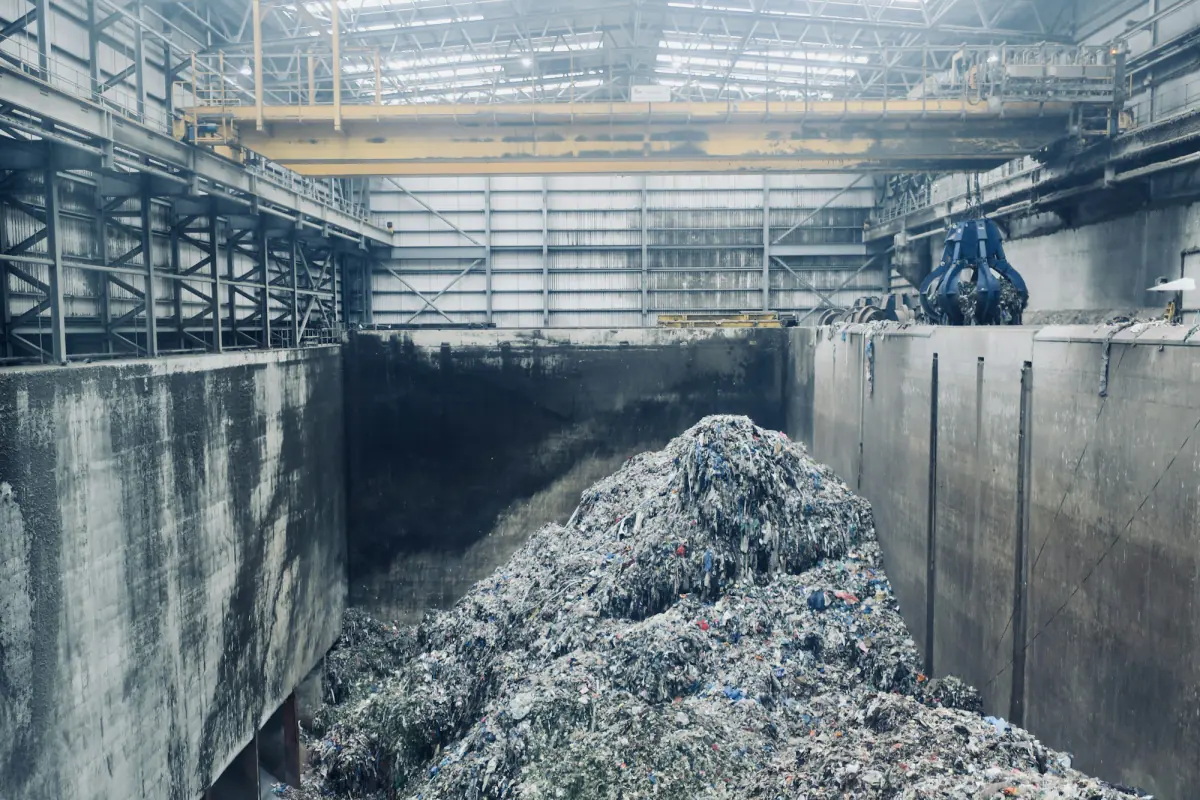
Organic waste
Dewatering and drying bring the organic fraction, municipal solid waste and refuse-derived fuels to a low, consistent moisture content: ready to become fuel or fertiliser instead of going to landfill
- We treat
- Organic fraction (OFMSW) and food waste, municipal solid waste (MSW), solid recovered fuel (SRF)
- Process
- Dewatering and drying, down to less than 12% moisture for SRF
- Technologies
- Decanters, screw and belt presses and belt, drum and paddle dryers
Do you have one of these waste streams?
Let’s talk
We start from your waste: composition, volumes and site
Contact us