Oil lagoon remediation
and sludge pit cleaning
Robots and skimmers recover oil and sludge from lagoons, basins and pits; the REC-OIL plant separates on site, leaving less material to haul away
What is an oil lagoon
Oil lagoons are open-air ponds where slop oil, oily sludge and process water have been stored: lagoons, sludge pits, settling basins and oil pits
Oil floats on the surface, contaminated water lies beneath it and sludge settles on the bottom: three layers, to be collected in three different ways
- Also used for
- Lakes and bodies of water contaminated by hydrocarbon spills
Where it comes from
From the activity of refineries, depots and oil fields, where slop and oily sludge have been stored in basins on land, or from a spill
Lagoon remediation means emptying the lagoon and treating what it contains. Hauling everything elsewhere means moving large volumes of hazardous waste by road: separating on site reduces the volumes before transport
- Found in
- Refineries, depots, oil fields and industrial sites to be remediated
How we clean up an oil lagoon
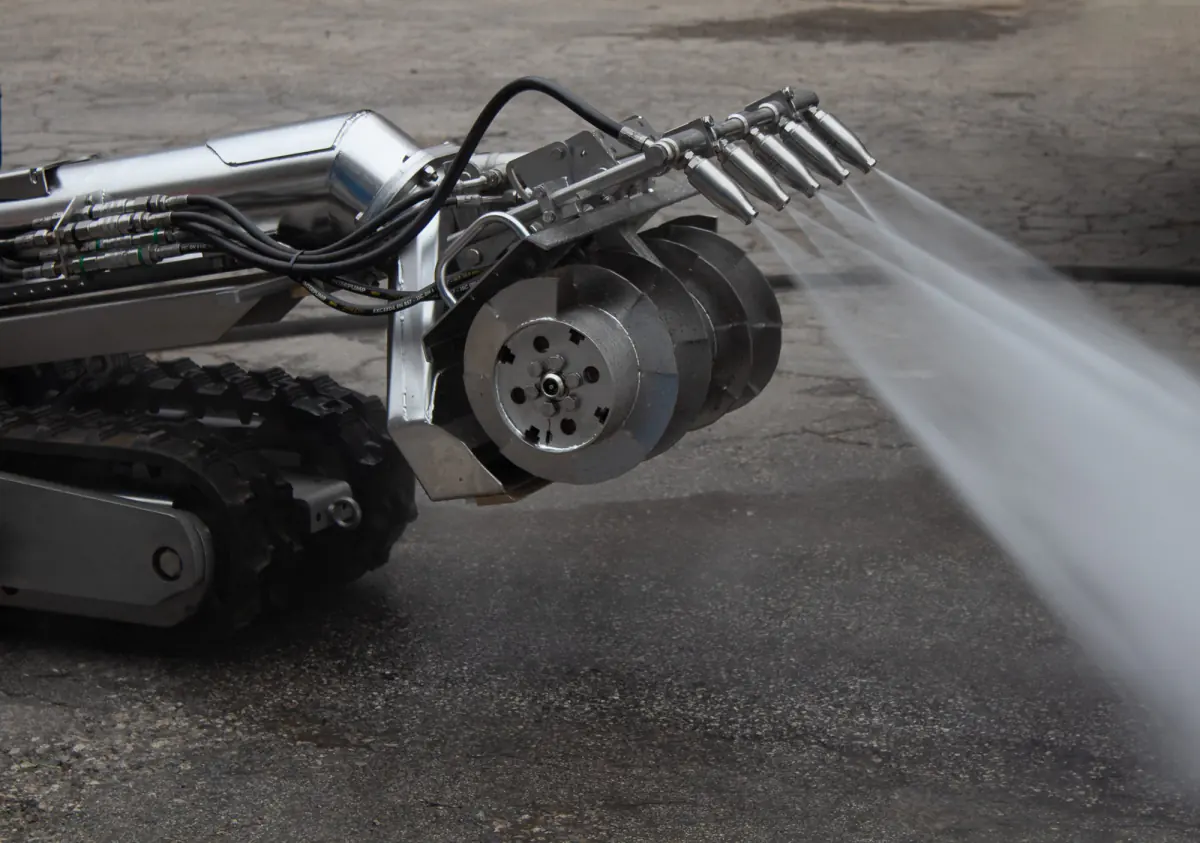
Robots and suction units recover material from oil lagoons, basins and pits, while the floating skimmer collects the oil on the surface. Separation takes place on site, leaving less material to haul away
- Collection
- Floating skimmer for the oil on the surface, Gerotto robots and suction units for the sludge on the bottom
- Mechanical protection
- The vibrating screen removes stones and coarse solids before pumps and centrifuges
- Reactive tank
- Heating, mixing and reagents neutralise H2S and mineralise heavy metals such as mercury
- Separation
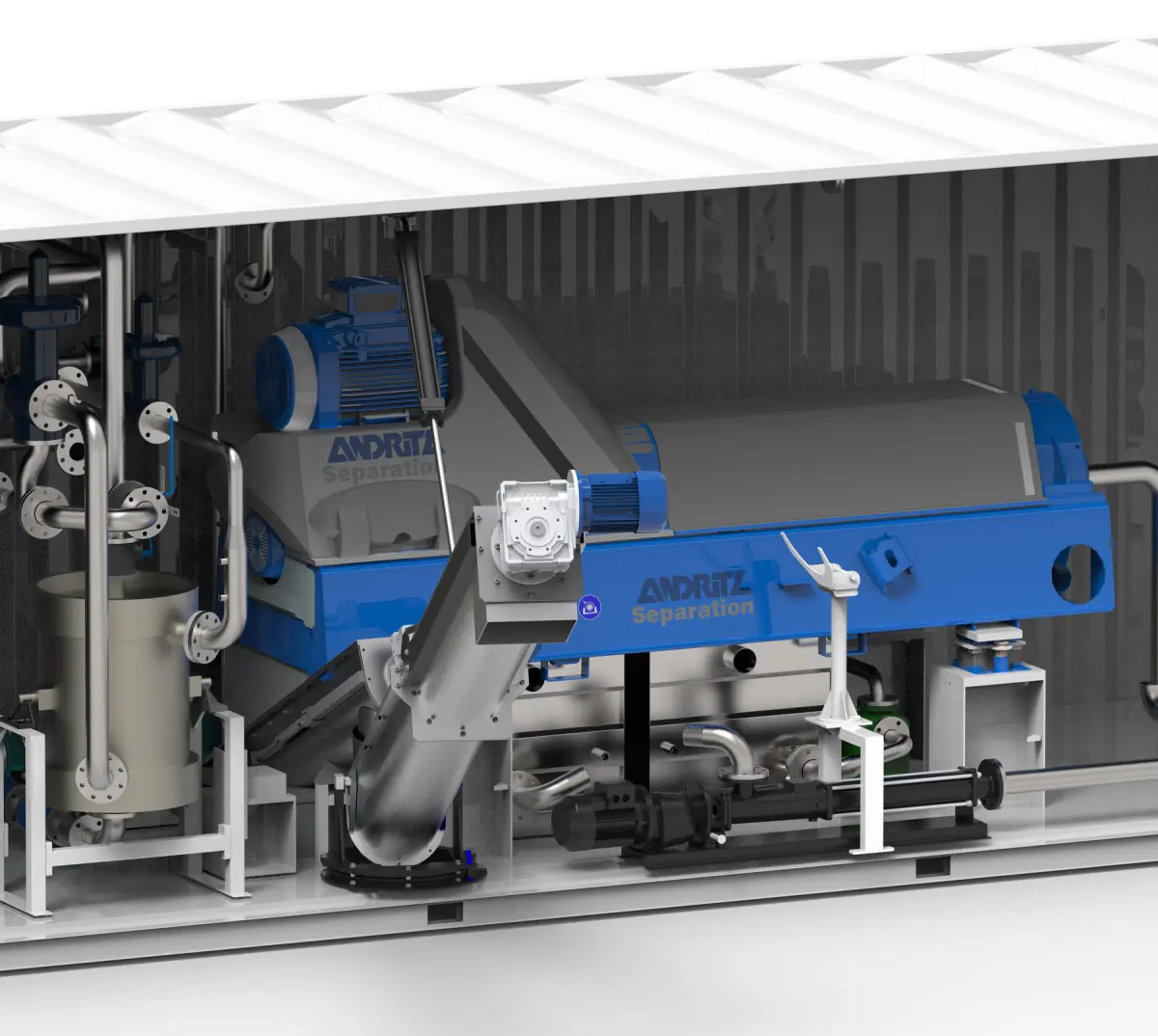
- The Andritz three-phase ATEX decanter separates oil, water and solids continuously
- Indicative flow rate
- 1-10 m3/h
- System
- REC-OIL with Gerotto robot and floating skimmer
What is recovered
Hydrocarbon recovery, not just removal: the oil becomes a product again, the water comes out separately and the solids are spadeable
Indicative flow rates and yields: actual results depend on the product and the plant
Common questions
about oil lagoons
What is the difference between an oil lagoon, a sludge pit and an oil pit?
They are different names for the same kind of pond: open-air storage of slop oil and oily sludge. What changes is the size and the origin, not the way they are cleaned up
What does an oil lagoon contain?
Free oil, emulsion, water and solids, with sulphur and H2S, heavy metals, sand and rust. This is why, before separation, the material goes through the reactive tank, which neutralises the H2S and treats the heavy metals
Does oil lagoon remediation mean hauling everything away by tanker truck?
No. The material is extracted by suction and treated next to the lagoon: only what is left after separation is hauled away
How is the floating oil collected: is an oil skimmer needed?
Yes: a floating skimmer takes it from the surface and sends it to the plant
How is the sludge removed from the bottom of the pond?
The Gerotto robot and the suction units remove it by suction, with no operators going in
Does lagoon cleaning include hydrocarbon recovery?
Yes. The pipette decanter recovers over 98% of the oil present; actual yields depend on the material
What is the plant’s flow rate in oil lagoon and sludge pit cleaning?
As a guide, from 1 to 10 m3/h, depending on the product
How much waste is left to dispose of after remediation?
Only the solids, spadeable and with over 70% dry solids. Oil and water come out separately: the oil is recovered, the water is discharged or reused
Does the plant work in a hazardous area?
Yes: the Gerotto robot is certified for ATEX Zone 0, and the three-phase decanter comes in ATEX version for Zone 1 and Zone 2
Do you have a lagoon to clean up?
Let’s talk
We start from your waste: composition, volumes and site
Contact us